Lead Times: Domestic vs Import Sourcing in 2026
Comparing actual lead times for domestic and imported materials in 2026. What's driving delays, which materials are most affected, and how to plan procurement.
“What’s the lead time?” has become the most frequent question in procurement conversations. The answer varies dramatically depending on material, source, and timing—but understanding current patterns helps with planning and supplier selection.
This analysis reflects conditions as of mid-2026 based on our sourcing experience across steel, aluminum, stainless, and engineering materials.
Current Domestic Lead Times
Carbon and Alloy Steel
| Product | Mill Lead Time | Distribution |
|---|---|---|
| Hot-rolled sheet/coil | 4-6 weeks | Stock to 1 week |
| Cold-rolled sheet | 5-7 weeks | Stock to 1 week |
| Plate (under 2″) | 4-8 weeks | Stock to 2 weeks |
| Plate (2″+ thick) | 8-12 weeks | Limited stock |
| Bar (common sizes) | 4-6 weeks | Stock to 1 week |
| Tubing (standard) | 4-8 weeks | Stock to 2 weeks |
Domestic steel capacity is adequate for most products, and lead times have normalized from pandemic-era extremes. Bar and sheet are readily available, while heavy plate and specialty grades take longer.
Aluminum
| Product | Mill Lead Time | Distribution |
|---|---|---|
| Sheet (3000/5000 series) | 6-10 weeks | Stock to 1 week |
| Sheet (6061) | 6-10 weeks | Stock to 1 week |
| Plate | 8-14 weeks | 2-4 weeks for common |
| Extrusions (stock dies) | 6-10 weeks | Stock to 2 weeks |
| Extrusions (custom dies) | 12-16 weeks | — |
Aluminum production capacity remains tight. Plate, especially aerospace grades like 7075 and 2024, has extended lead times. Extrusions vary by profile—stock shapes move quicker than custom.
Stainless Steel
| Product | Mill Lead Time | Distribution |
|---|---|---|
| Sheet/coil (304, 316) | 6-10 weeks | Stock to 2 weeks |
| Plate | 8-12 weeks | 2-4 weeks for common |
| Bar (common grades) | 6-10 weeks | Stock to 2 weeks |
| Bar (specialty grades) | 10-16 weeks | Limited stock |
| Tubing (welded) | 6-10 weeks | Stock to 2 weeks |
| Tubing (seamless) | 12-20 weeks | Limited stock |
304 and 316 availability is reasonable. Specialty grades including duplex, super austenitic, and PH grades have extended lead times. Seamless tubing remains constrained across the market.
Import Lead Times
Import lead times include production, transit, and customs processing. Total time from order to receipt varies significantly by origin.
From Asia (China, Taiwan, Korea, Japan)
| Material Category | Typical Lead Time |
|---|---|
| Carbon steel | 12-16 weeks |
| Stainless steel | 14-20 weeks |
| Aluminum | 14-18 weeks |
| Specialty alloys | 16-24 weeks |
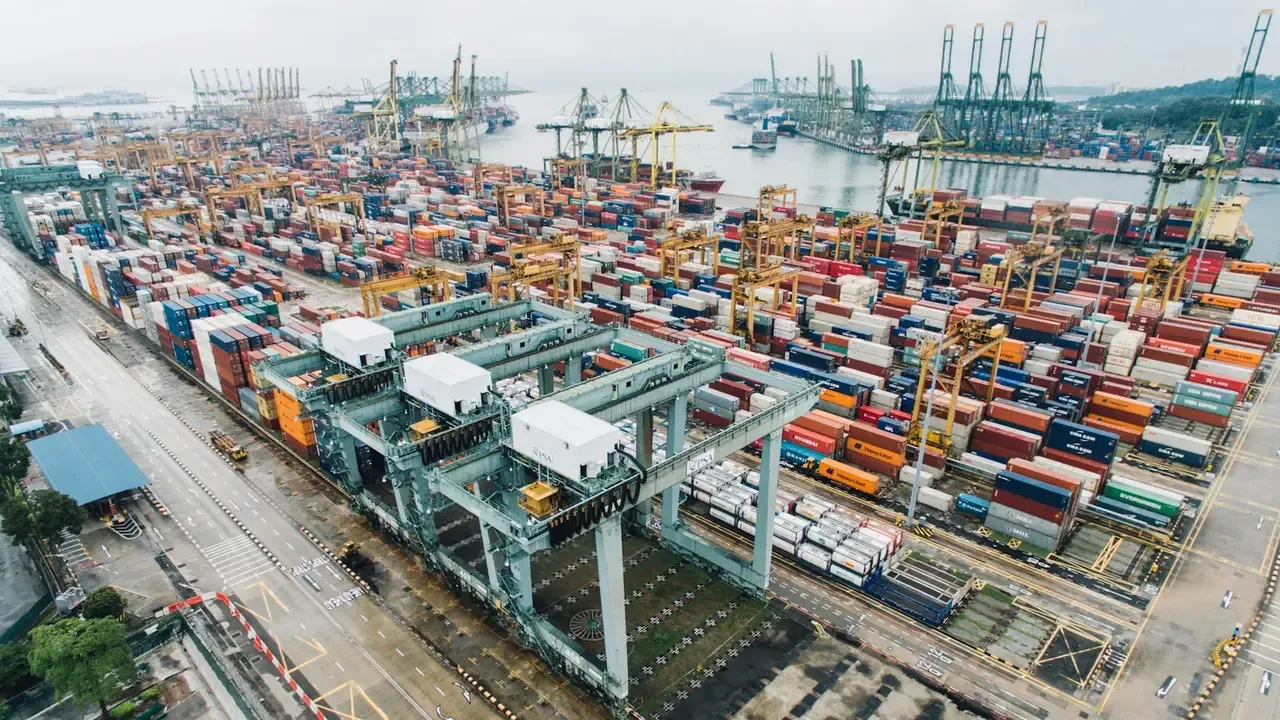
These times break down roughly as 4-8 weeks for production, 4-6 weeks for ocean transit, and 2-4 weeks for port processing and inland delivery. Container availability has improved from the 2021-2022 extremes, but spot rates remain volatile and port congestion varies seasonally.
From Europe
| Material Category | Typical Lead Time |
|---|---|
| Carbon steel | 10-14 weeks |
| Stainless steel | 12-16 weeks |
| Specialty alloys | 12-20 weeks |
European sourcing breaks down as 4-8 weeks for production, 2-4 weeks for ocean transit, and 2-3 weeks for port processing and inland delivery. The advantage here is shorter transit times, and quality and documentation often match U.S. standards. Similar time zones also simplify communication.
Import Uncertainties
Beyond baseline lead times, imports face additional risks that complicate planning. Schedule reliability remains problematic—ocean carriers continue running below schedule reliability targets, with 70-80% on-time being typical, which makes planning for delays prudent. Customs delays from inspections, documentation issues, or holds can add days to weeks unpredictably. Quality variance presents another challenge: material arriving out-of-spec triggers either rework delays or rejection and re-order cycles. Finally, trade policy changes—tariff adjustments, anti-dumping duties, or trade restrictions—can disrupt established supply chains with little warning.
For tariff-related considerations, see our 2026 tariff analysis.
What’s Driving Lead Times
Demand Factors
Federal infrastructure investment has increased demand for structural steel, plate, and pipe across multiple industries simultaneously. Manufacturing reshoring to North America increases domestic material demand without proportional capacity additions. Meanwhile, energy transition projects—electric vehicles and renewable energy—compete for aluminum, electrical steel, and copper.
Supply Factors
Domestic mills operate at high utilization, and adding capacity takes years. New mills announced in 2022-2023 are only now reaching production. Skilled labor shortages affect mills, fabricators, and logistics providers throughout the supply chain. Raw material constraints—scrap availability, alloy element supply (nickel, molybdenum), and energy costs—all affect production rates.
Logistics Factors
Driver shortages and equipment constraints limit final-mile trucking capacity. Rail service reliability has improved but remains variable, particularly for cross-country movements. Distribution centers face capacity constraints in major industrial regions.
Strategies for Managing Lead Times
1. Maintain Strategic Inventory
Not every item justifies inventory, but critical materials warrant buffer stock. Good candidates include long-lead specialty materials, materials with volatile availability, items where stockout causes production shutdown, and standard sizes you use repeatedly.
When calculating whether inventory makes sense, consider that carrying costs of 15-25% annually may be justified by avoiding even one production disruption. The cost of inventory equals material cost multiplied by carrying rate multiplied by time, plus storage. The value of inventory equals avoided downtime multiplied by downtime cost, multiplied by probability of occurrence.
2. Qualify Multiple Sources
Single-source dependency amplifies lead time risk. Developing alternatives provides essential flexibility.
Maintaining both domestic and import relationships allows you to use imports for base load while keeping domestic options available for surge and quick-turn needs. Similarly, mills offer lower prices but longer leads, while distributors offer speed at premium pricing—having both relationships provides flexibility when you need it. Geographic diversity in your sources hedges against localized disruptions.
3. Provide Forecasts
Even informal forecasts help suppliers plan. Sharing expected requirements by material type, approximate timing (quarterly or monthly), and flexibility range (firm versus tentative) enables distributors to position inventory, mills to plan production schedules, and service centers to reserve capacity. You don’t need perfect forecasts—directional guidance is valuable.
4. Order Early for Projects
For project-based work with defined material requirements, the traditional approach of finalizing design, completing drawings, then ordering material and waiting creates unnecessary delays. A better approach identifies materials during design and orders early, adjusting as needed. Long-lead materials can be ordered while drawings are finalized. Cancellation costs are usually less than schedule delays.
5. Accept Alternatives
Flexibility accelerates delivery. Consider size alternatives (1.25″ bar when 1.20″ is unavailable), grade alternatives (316L when 316 has shorter lead), or form alternatives (plate cut from larger stock). Discussing alternatives with your supplier before rigidly specifying often reveals faster paths to material.
Material-Specific Observations
Best Domestic Availability
Carbon steel bar in hot-rolled grades, aluminum sheet in common alloys and standard gauges, 304/316 stainless bar and sheet, brass and bronze bar, and standard engineering plastics all have strong domestic availability with short lead times from distribution.
Most Challenging Lead Times
Aluminum plate in aerospace grades, seamless stainless tubing, specialty stainless (duplex, super austenitic), nickel alloys (Inconel, Hastelloy), and large-diameter bar in alloy steels all present extended lead time challenges regardless of source.
Import-Only (Limited Domestic Production)
Certain titanium forms, some specialty copper alloys, specific tool steel grades, and ultra-large forgings have limited or no domestic production, making import sourcing the only option.
Working With NextGen Components
Our sourcing approach balances cost, lead time, and reliability through domestic distribution relationships for quick-turn common materials, mill relationships for large quantities and specialty items, import sources for cost-sensitive volume requirements, and inventory investment in frequently used materials.
We track lead times across our supply base and communicate current conditions when you request quotes. Contact us to discuss material availability for your upcoming projects.
Ready to Start Your Project?
Contact us to discuss your material and manufacturing needs.
Request a Quote