2026 Tariff Changes and What They Mean for Metal Procurement
How recent tariff adjustments are reshaping domestic metal sourcing. Analysis of Section 232 updates, reshoring incentives, and practical strategies for procurement teams.
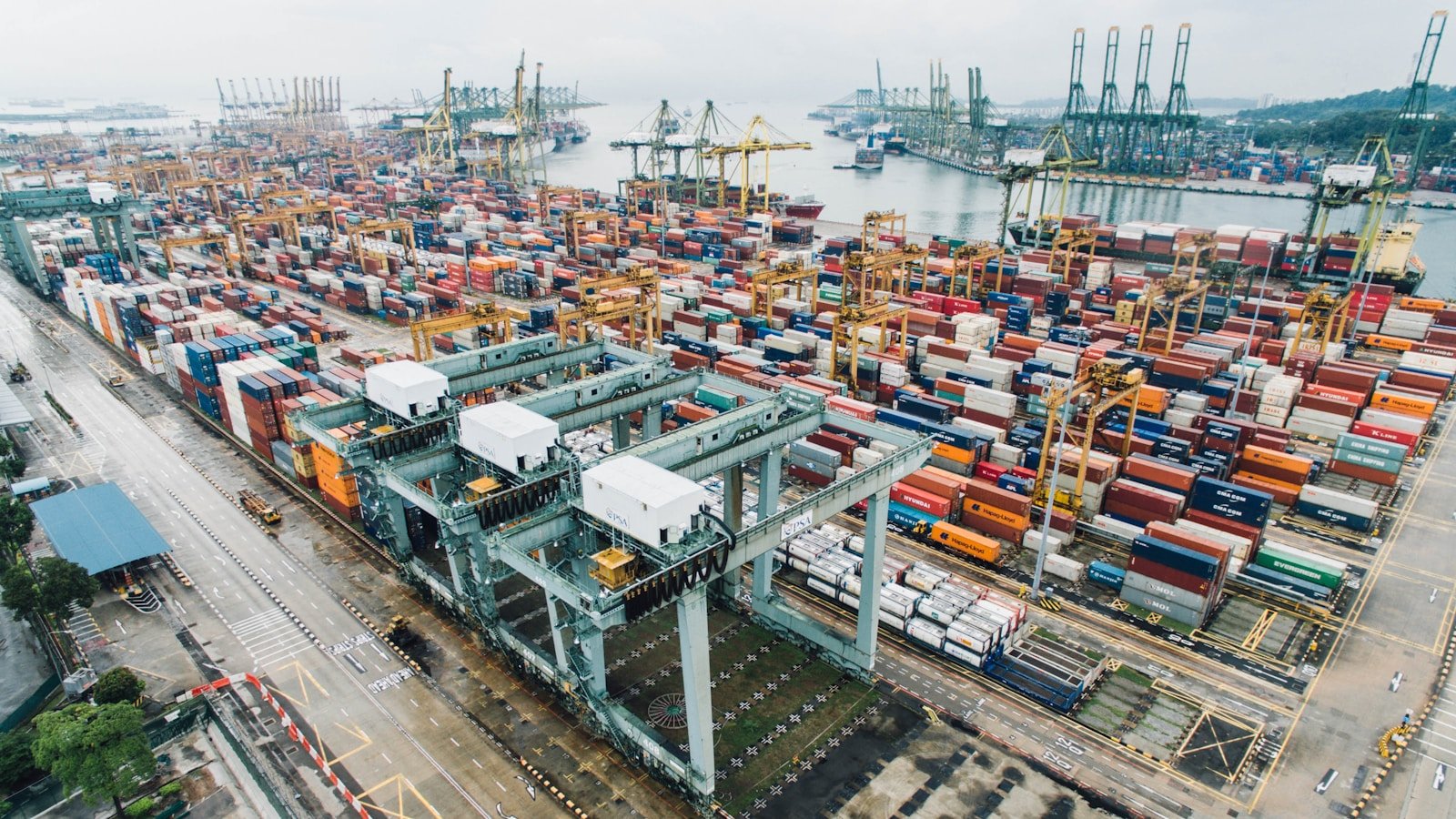
Trade policy continues reshaping how manufacturers source metals. The tariff structures established in 2018 have evolved through multiple administrations, and 2026 brings further adjustments that procurement teams need to understand. This analysis covers what’s changed, what it means for costs, and practical strategies for managing your material spend.
Current Tariff Landscape
The Section 232 tariffs on steel (25%) and aluminum (10%) remain the foundation of U.S. trade policy for these metals. What’s changed since their introduction is the implementation—country exemptions, product exclusions, and enforcement intensity have all shifted over time.
The 2025-2026 changes tighten several aspects of the regime. Rules of origin for USMCA exemptions have become more stringent, requiring closer documentation of where materials actually originate. Exclusion categories have expanded for materials not produced domestically, providing some relief for buyers of specialty products. Scrutiny of transshipment—material routed through exempt countries to avoid duties—has increased significantly. New reporting requirements add administrative burden for importers.
The practical effect of these changes is that sourcing decisions made years ago may no longer be optimal. A supplier relationship that made sense under previous exemption structures might now carry full tariff burden, changing the economics entirely.
Real Cost Impact
Headlines focus on tariff percentages, but actual cost impact depends on the specifics of what you’re buying and from whom.
Direct Tariff Costs
For materials subject to full tariffs without exemptions, the math is straightforward:
| Material | Base Price (Import) | Tariff | Landed Cost |
|---|---|---|---|
| Hot-rolled steel coil | $650/ton | 25% | $812/ton |
| Aluminum sheet | $2,800/ton | 10% | $3,080/ton |
| Stainless plate | $3,200/ton | 25% | $4,000/ton |
Domestic Premium
Domestic producers have largely matched import-plus-tariff pricing, maintaining the competitive barrier that tariffs created. This isn’t price gouging—it’s rational market behavior. Current domestic premiums compared to pre-tariff import prices run approximately 15-25% for carbon steel, 10-20% for aluminum, and 20-30% for stainless steel. These premiums reflect the new market equilibrium rather than temporary disruption.
Hidden Costs
Beyond the tariff itself, import sourcing carries additional costs that often tip the total cost calculation toward domestic suppliers even when unit prices look higher.
Inventory carrying costs increase substantially with longer overseas lead times. When you’re waiting 12-16 weeks instead of 2-4 weeks, safety stock requirements multiply. The capital tied up in inventory has real cost, and the warehouse space to hold it isn’t free.
Quality risk becomes more expensive with international supply chains. When a shipment arrives out of spec, the return and replacement cycle stretches to months rather than days. Rejections that would be inconvenient with a domestic supplier become production-stopping events with offshore sourcing.
Supply disruption risk has become impossible to ignore after recent years. Container availability swings, port congestion, and geopolitical events all add uncertainty to international supply chains. Quantifying this risk is difficult, but pretending it doesn’t exist is dangerous.
Customs compliance carries direct costs—broker fees, documentation requirements, and the administrative burden of audits—that don’t exist with domestic purchases.
When these factors are honestly quantified, domestic sourcing often approaches cost parity with imports even before tariffs enter the calculation.
Reshoring Reality Check
The narrative around manufacturing reshoring deserves careful scrutiny. Investment announcements don’t always translate to operational capacity, and new capacity doesn’t necessarily serve all market segments equally.
What’s Actually Being Built
Recent domestic capacity investments focus overwhelmingly on higher-value products where margins justify capital investment. In steel, the action centers on electrical steel for EV motors and transformers, advanced high-strength grades for automotive lightweighting, and specialty tube and pipe for energy infrastructure. Aluminum investment targets automotive body sheet, can stock for beverage packaging, and industrial plate and extrusions for aerospace and defense applications.
These investments matter, and they do represent real reshoring. If your material needs align with these categories, domestic availability has genuinely improved.
What’s Not Being Built
Commodity grades that compete primarily on price see limited domestic investment, and the tariff structure explains why. Standard structural steel shapes, general-purpose aluminum extrusions, and basic stainless flat products don’t generate margins that justify new domestic mills.
For these categories, the tariff functions as a permanent cost increase rather than a reshoring catalyst. Import-plus-tariff becomes the effective price floor, and domestic producers set prices accordingly. Buyers in these segments face higher costs without the supply chain benefits of true domestic sourcing.
Procurement Strategies
Given the current trade environment, procurement teams should evaluate their metal sourcing through multiple lenses.
1. Total Cost Analysis
Moving beyond unit price comparisons to true total cost reveals the actual economics of sourcing decisions. The calculation looks like this:
Total Cost = Unit Price + Tariff + Freight + Inventory Carry + Quality Cost + Risk PremiumFor many items, this calculation favors domestic sourcing even when unit prices are higher. The key is quantifying each element honestly based on your actual experience and specific requirements, not theoretical estimates.
2. Specification Review
Tariffs apply to specific HTS (Harmonized Tariff Schedule) classifications, and sometimes minor specification changes affect that classification in meaningful ways. Different alloy designations may carry different duty rates even when properties are similar. Product form—whether material is classified as sheet versus plate, bar versus rod—affects classification. Further processing such as cut-to-length or surface treatment may change tariff status.
Working with a customs specialist to review your classifications ensures you’re not overpaying due to inadvertent misclassification. These reviews often find money.
3. Supplier Qualification
If you haven’t evaluated domestic alternatives recently, the supply landscape has shifted enough to warrant fresh quotes. Some importers have established domestic processing operations that change their tariff exposure. Service centers offer value-added processing that can offset mill price premiums through reduced machining allowances or tighter tolerances. Regional suppliers may offer competitive pricing combined with shorter lead times that reduce inventory requirements.
4. Inventory Strategy
Tariff uncertainty argues for holding inventory buffers to protect against supply disruption or price spikes, but carrying costs argue against tying up capital in material. The right balance depends on how critical each material is to your production, whether alternative grades or suppliers exist, your cost of capital and available warehouse capacity, and historical price volatility for the specific materials you use.
For critical materials with limited domestic alternatives, strategic inventory may be worth the carrying cost. For commodity items with multiple sources, leaner inventory makes sense.
Looking Ahead
Trade policy will continue evolving, and several factors merit ongoing attention.
Policy changes flow from administration priorities, and shifts in enforcement focus are common even without new legislation. Trade agreement renegotiations may create new exemptions or close existing ones. Retaliatory tariffs from trading partners affect export competitiveness for manufacturers who sell internationally.
Market dynamics continue shifting as domestic capacity additions announced in recent years come online through 2027. Global overcapacity in steel, particularly from China, continues driving trade friction with no resolution in sight. Energy costs, especially natural gas prices, significantly affect domestic production economics and therefore pricing.
Technology trends reshape material demand patterns. Electric arc furnace capacity expansion improves domestic responsiveness to demand changes. Recycled content requirements increasingly favor domestic secondary producers with established scrap networks. Advanced manufacturing techniques reduce material intensity for some applications, potentially changing the cost calculus.
Practical Next Steps
For manufacturers navigating the current environment, a methodical approach yields results. Start by auditing your current spend to identify which materials carry tariff burden and quantify the actual cost impact. Then request domestic quotes—even if you’ve been told domestic is more expensive, get current pricing because markets have changed. Review your HTS classifications with a customs professional to ensure accuracy and optimize where legitimate alternatives exist. Calculate true total cost including all elements rather than just unit price. Finally, diversify strategically to avoid over-reliance on any single source or region.
Working With NextGen Components
We source materials domestically whenever quality and economics align with customer requirements. Our supply chain includes domestic mill relationships across steel, aluminum, and specialty alloys, along with service center partnerships for processing and quick-turn requirements. We provide transparent sourcing information so you know where your materials originate and can make informed decisions about your supply chain.
Questions about domestic sourcing options for your applications? Contact our team to discuss your material requirements and current supply strategy.
Ready to Start Your Project?
Contact us to discuss your material and manufacturing needs.
Get a Quote